A Guide to Installing Aluminum Foil Roof Insulation
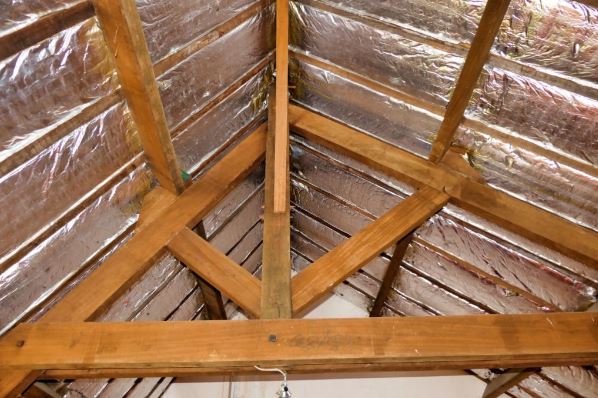
Looking to enhance the stability and comfort of your home by increasing its thermal efficiency? One effective solution to achieve this is by installing aluminum foil roof insulation. Instead of relying solely on heating or air conditioning systems, utilizing aluminum foil can offer a more energy-efficient alternative.
By ensuring proper installation, aluminum foil can serve as an efficient insulation layer, effectively maintaining room temperature. To make the most of aluminum foil as an insulation solution, it’s crucial to familiarize yourself with the correct installation steps tailored to your house.
Advantages of Aluminum Foil Roof Installation
Aluminum foil is a thin sheet of aluminum commonly utilized for food wrapping purposes. However, when it comes to roof installation, aluminum foil serves a distinct purpose as an insulation layer to effectively trap and insulate heat.
Indeed, the reflective properties of aluminum enable it to effectively deflect intense sunlight, thereby preventing excessive heat from entering the house. Here are the key benefits of using aluminum foil as a coating on the house roof:
● Minimize Incoming Heat
A significant advantage of roof installation with aluminum foil is its capacity to effectively decrease heat infiltration in the summer. In hot weather conditions, sunlight tends to directly impact the roof and infiltrate into the interior spaces of the room.
Nevertheless, aluminum foil possesses excellent heat-reflective properties. Therefore, when installed on the roof, aluminum foil acts as a reflective shield, effectively bouncing off sunlight and minimizing heat transfer. This helps to maintain a cool and comfortable temperature inside the house.
● Maintaining Temperature During Cold Weather
Apart from its benefits in summer, aluminum foil roof insulation also offers advantages during the winter season. During extremely cold weather, the roof can be a significant source of heat loss from the house.
By installing aluminum foil on the roof, the heat retention inside the house can be significantly improved. The aluminum foil layer acts as a barrier, preventing the escape of heat from the house, thereby helping to maintain a warmer temperature indoors.
● Reduce Electricity Consumption
When the house becomes excessively hot, it is natural to turn on the air conditioner or fans for cooling purposes. In colder temperatures, it is advisable to utilize room heating systems to maintain a comfortable temperature indoors. However, this can result in increased electricity consumption, leading to higher energy usage.
Aluminum foil roof insulation can help stabilize room temperature, reducing the need for cooling or heating appliances.
Consequently, it can lead to decreased energy consumption and long-term savings on electricity costs.
● Improve Thermal Efficiency
The installation of aluminum foil on the roof can significantly enhance the overall thermal efficiency of your home. By achieving better temperature control inside the house, the temperature differential between the interior and exterior can be minimized.
As a result, it decreases heat conduction through walls and roofs, leading to improved overall thermal insulation. Consequently, the temperature inside the house becomes more comfortable and pleasant.
● Noise Reduction
Apart from its thermal benefits, installing aluminum foil roof insulation can effectively minimize external noise. The aluminum layer acts as a sound absorber, resulting in a quieter and more tranquil indoor environment.
Therefore, the installation of an aluminum foil roof layer helps minimize noise from external sources like rainfall, traffic, trains, or airplanes. This undoubtedly contributes to creating a more serene and tranquil environment within the house.
How to Install Aluminum Foil Roof Insulation
Installing a layer of aluminum foil roof insulation is a straightforward process that doesn’t require much difficulty. You can follow the steps below:
● Prepare tools and materials
Before commencing the installation process, it is crucial to ensure that you have all the required materials and tools at hand. The necessary materials for the installation include an adequate amount of aluminum foil to cover the entire roof, adhesive or plaster for securing the foil and clamps or nails for reinforcement.
Some necessary tools include cutters or scissors, rulers for measuring, brushes, and pliers. Ensure that when selecting aluminum foil, you prioritize good quality, durability that prevents easy tearing, and thickness that suits your specific requirements.
Here are a few options for aluminum foil materials for you to consider:
- Aluminum Foil Woven Laminated: This type of aluminum foil is coated with a knitted fabric, also known as woven fabric, to enhance its strength and durability.
- Aluminum Foil Bubble Laminated: This variety of aluminum foil is laminated with a layer of air bubbles, commonly referred to as bubble wrap, to enhance its thermal insulation capabilities.
- Aluminum Foil Foam Laminated: This type of aluminum foil is laminated with a layer of foam, providing thermal insulation properties and the ability to effectively reduce sound transmission.
● Clean and Prepare the Roof
Once you have gathered the necessary tools and materials for coating the roof with aluminum foil, proceed by thoroughly cleaning the roof surface to remove any dust, dirt, or other impurities. In addition, check if there is damage or leakage. If there is, immediately fix it first before installing the insulation.
● Measure Frame Width
Afterward, proceed to inspect and measure the width of the batten frame on the roof of your house. Understanding the size and dimensions required for cutting the aluminum foil is crucial.
● Cut the Aluminum Foil
Using the measurements obtained from the previous step, use a gauge and a sharp cutter or knife to carefully cut the aluminum foil to a length that corresponds to the span of the roof section, you intend to coat.
● Specify Installation Direction
The aluminum foil can be installed either in a horizontal or vertical orientation, depending on personal preference and desired aesthetic. For instance, if you have a sloping roof, it is advisable to align the aluminum foil following the direction of the roof’s slope.
● Expand Aluminum Foil
Subsequently, place and distribute the cut pieces of aluminum foil over the roof’s batten frame or structure, ensuring that they cover the intended area where you plan to install them. Ensure that the sheet is carefully arranged and adequately spans the entirety of the intended space.
● Pull and Pinch Using a Bat
During the installation process, you have the option to utilize a batten or a similar item to firmly stretch and secure the aluminum foil onto the frame or structure of the roof casing. By following this approach, you can guarantee that the aluminum foil remains firmly and tidily fastened in place.
● Overlap the Connection Section
To join two pieces of aluminum foil together, ensure that there is an overlap of at least 1 cm in width. This overlapping technique creates a snug layer that effectively blocks the intrusion of heat or moisture through any gaps between the joints.
● Use Aluminum Tape
To maintain the tightness and security of the aluminum foil joints, you can employ aluminum tape as an additional adhesive. This will provide extra reinforcement and stability to the connections. Affix the aluminum tape onto the joint to enhance its strength and durability significantly.
Tips for Caring for Aluminum Foil on the Roof
To ensure the aluminum foil layer maintains its thermal efficiency, it is essential to take proper care of it. Here are tips that can be done:
● Clean the AC Regularly
Regularly remove any accumulated dust, dirt, or leaves from the surface of the aluminum foil layer. However, it is important to avoid using rough cleaning tools as they can cause damage or tears to the surface of the aluminum foil.
● Inspect and Repair Damage
Finally, do a routine check to make sure there is no damage. Periodically inspect the aluminum foil for any signs of tears, wrinkles, or loose sections. Upon discovering any damage, promptly address the issue by attaching a new layer to repair the affected part.
In addition to utilizing a layer of aluminum foil roof insulation, another alternative solution to maintaining thermal efficiency in a house is to select roofing materials that have the capability to withstand external temperatures effectively. Examples such as Djabesmen roof made of fiber cement.

Djabesmen Regains Top Brand No.1 Award for the Tenth Time
Djabesmen Won Top Brand Award
Read Post arrow_right_alt
Tips for Creating a Rooftop Garden
Planning to create a rooftop garden? Discover these valuable tips to elevate its charm and allure!
Read Post arrow_right_alt
Roof Repair Solutions for Urgent Situations
Here are some tips and emergency roof repair techniques that you can implement in critical conditions.
Read Post arrow_right_alt

Here are the Reasons Why Roofs Are Made with Corrugations
Why are roofs made with corrugations? Learn about its rationale and various benefits!
Read Post arrow_right_alt